Objectives of this White Paper
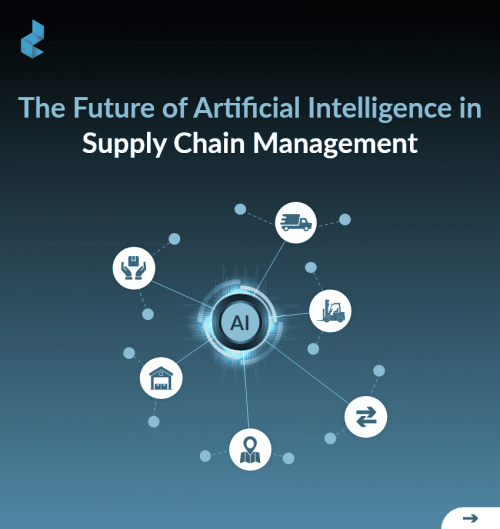
The objectives of the white paper on — The Future of Artificial Intelligence in Supply Chain Management — are to inform, inspire, and guide decision-makers and stakeholders across various sectors of the economy. The key goals are as follows:
1. Educate and Raise Awareness
2. Showcase the Effects and Benefits
3. Address Challenges and Limitation
4. Offer Guidance for Implementation
5. Encourage Innovation and Collaboration
6. Predict Future Trends
Overview
Supply Chain Management or SCM is an essential process as it orchestrates the flow of information, materials, and finances as they pass from the supplier to the consumer. The goal of this labyrinthine network of business operations is to produce and deliver products and services from raw materials to the end consumers — in a manner that is super-efficient and cost-effective.
SCM comprises of the following activities — making sure the right products and services reach the right places at the right times:
An in-depth knowledge of the dynamics of demand and supply, customer needs, and market trends is essential for effective SCM — requiring one to be able to predict demand accurately, strategize inventory levels, and schedule production and delivery in an efficient way. If you are looking to get in touch with businesses leveraging SCM, DataCaptive’s comprehensive, accurate, and verified supply chain management products customers list is the one-stop-solution!
Supply chains were comparatively simple and linear in the past — mainly concentrating on cost reduction and efficiency. In contrast, the global economy in present times has reshaped supply chains into complex, interconnected networks. With the advent of e-commerce, the complexity of managing supply has increased due to globalization, and the demand from customers for speed and customization. Especially during the COVID-19 pandemic, the need for a flexible, resilient, and sustainable supply chain system was highlighted.
Technology is a pivotal part of modern SCM. Progress in information technology in addition to the adoption of digital tools and platforms have boosted visibility and coordination across the supply chain. Technologies such as the Internet of Things (IoT), artificial intelligence (AI), big data analytics, and block chain facilitate real-time tracking of goods, predictive maintenance, manual processes automation, and data-driven decision-making — thereby helping pinpoint bottlenecks, reducing wastage, and enhancing overall effectiveness of supply chain.
The future of SCM is highly reliant on the further integration of digital technologies to establish supply chains that are more adaptive, responsive, and customer-focused. Organizations across the globe are increasingly funding AI and machine learning to optimize routes, forecast trends, and personalize customer experiences. Likewise, blockchain technology is gaining popularity as it is transparent and traceable throughout the supply chain — cultivating trust among stakeholders.