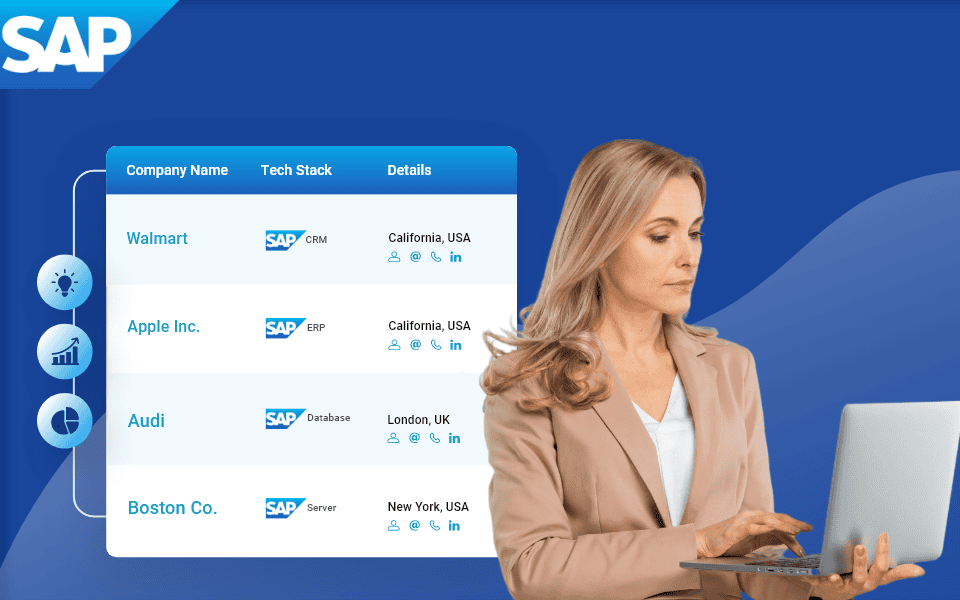
If you are looking for a list of SAP customers, SAP clients list, or companies using SAP, this guide brings the information together in one place. It also addresses the commonly searched question, “How many customers does SAP have?”
The companies that use SAP span industries such as manufacturing, retail, financial services, healthcare, technology, energy, and transportation. The list below highlights notable SAP customers and the business areas where SAP solutions are used.
Rather than treating every SAP customer as a single type of company, it is useful to look at the companies using SAP by industry, business function, and SAP solution. The examples below provide a practical SAP customers list for businesses researching organizations that use SAP.
Large MNCs as well as small start-ups across various industries such as retail, food & beverage, IT and services, automotive, SaaS, and more, are using SAP for their business operations.
Here are the top 10 companies that use SAP:
Now, let’s explore these companies in detail:
In the US, some of the top SAP users comprises the following companies:

Key Points:

Key Points:

Key Points:

Key Points:

Key Points:

Key Points:

Key Points:

Key Points:

Key Points:

Key Points:
By now, it’s clear that SAP is a driving force behind the success of leading companies across diverse industries in the USA. With such a strong and growing SAP customer base, the U.S. market presents a valuable opportunity for running targeted marketing campaigns to promote relevant products and services effectively.
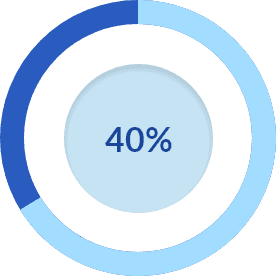
40% of large organizations (those with more than 1000 employees and an annual revenue that is above $1000 million) adopt SAP.
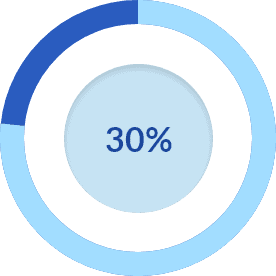
30% of medium-sized companies (with 250–999 employees and an annual revenue between $100 million and $500 million) utilize SAP on a regular basis.
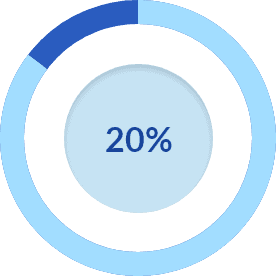
20% of small-scale organizations (less than 250 workers, with annual turnover between $10 million and $50 million) are adopting the SAP solution to improve productivity and operational workflow.
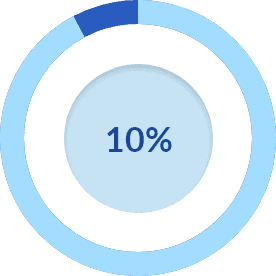
Even 10% of startups and micro-firms (with 50–70 workers and yearly revenue under $10 million) are using SAP.
What industries use SAP most often? The software and IT solutions industry contributes the most to the global SAP customer base. While the computer software sector covers most of SAP market share 2026, the IT and services industry contributes the next highest number of SAP customers.
Some of the most well-known companies using SAP that fall under the software and IT solutions industry are:
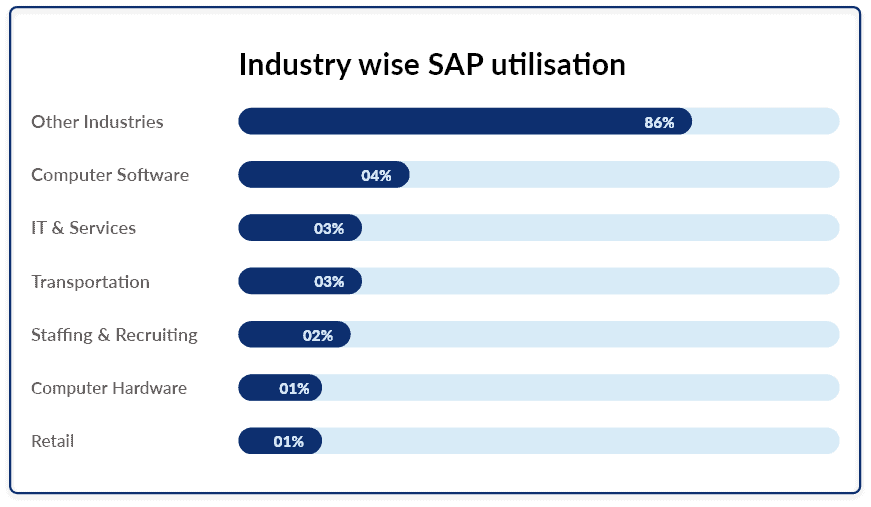
👉 Want to target SAP users in a specific industry?
Don’t miss our detailed guide: SAP Users by Industry
For effective outreach to companies that use SAP, it is important as a marketer or a business owner to have an understanding of the top competitors of the software company. Here are some of SAP’s competitors:
SAP has the majority of Fortune 500 companies across the globe as its customers. After looking at these statistics, you must probably have an idea of how lucrative it can be to reach out to SAP users for outreach purposes.
Are you an IT service provider, consulting firm, business owner or a marketer seeking to expand your business and establish meaningful connections with industry leaders and decision makers from companies using SAP? Do you offer extensions or other products and services that cater to the needs of companies that use SAP? Then reaching out to such companies for marketing purposes can be highly profitable!
There are many ways to obtain the contact information of decision makers from companies using SAP for outreach purposes. Some of those methods include looking for contact information in company websites, business directories, LinkedIn, and more.
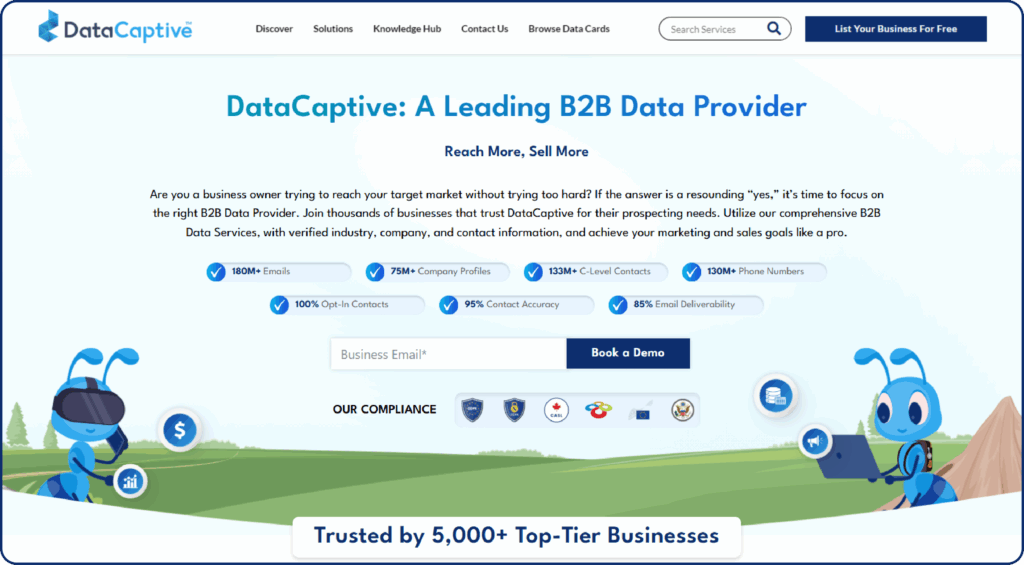
Although the above methods are effective, they come with drawbacks and do not guarantee accurate results. For effective outreach to SAP Customers List, consider purchasing a B2B email list from a reputable B2B database vendor like DataCaptive.
Ready to grab this promising business opportunity? Get access to the verified SAP users list now! Visit www.datacaptive.com for more!
Here’s a free sample list of SAP customers to offer you a glimpse into DataCaptive’s data quality and accuracy. Obtain the free demo and assess the data’s relevancy and reliability firsthand. Experience the DataCaptive difference today and make a full purchase to transform your marketing efforts.
| Company Name | Contact Name | Job Title | Email ID | Industry | Location |
|---|---|---|---|---|---|
|
Apple |
Tim Cook |
CEO |
t****@****e.com |
Consumer Electronics, Software Services |
California, US |
|
Audi |
Gernot Döllner |
Chairman |
*******r@audi.*** |
Automotive |
Ingolstadt, Germany |
|
BMW |
Oliver Zipse |
Chairman |
******.zipse@bmw.** |
Automotive
|
Munich, Germany |
|
Walmart |
Doug McMillon |
CEO |
d*****@walmart.com |
Retail |
Arkansas, US |
|
Burger King |
Joshua Kobza |
CEO |
*****a@ bk.*** |
Food |
Florida, US |
DataCaptive is a frontrunner in the B2B data solutions vendor market. With its accurate and reliable data solutions, you will always stay one step ahead of your competitors and reach out to the most ideal prospects who are guaranteed to convert to your paying customers.
The SAP customers list is the most extensive B2B database and is sourced from credible and official sources. Additionally, thorough verification and re-verification methods ensure regularly updated and highly accurate data.
Here are some points that highlight why DataCaptive is the best choice for you:
In summary, leveraging a targeted B2B email list from a trusted provider like DataCaptive gives business owners and marketers a powerful edge when connecting with SAP-using companies. Gain direct access to key decision-makers and industry leaders, opening doors to high-value opportunities and long-term growth.
By understanding the SAP user landscape, you can fine-tune your marketing strategies, increase engagement, and tap into one of the most influential and expanding markets in the enterprise tech space.
As of 2026, SAP is used by over 425,000 companies across 180+ countries, ranging from small businesses to Fortune 500 corporations.
Apple is the biggest client of SAP. SAP also has other Fortune 500 companies as its customers such as Walmart, Nestlé, Coca-Cola, Shell, Volkswagen Group, Siemens, Unilever and more.
Yes, DataCaptive strictly complies with major data privacy and protection regulations such as GDPR, CAN-SPAM, CCPA, CASL, ACMA, and more.
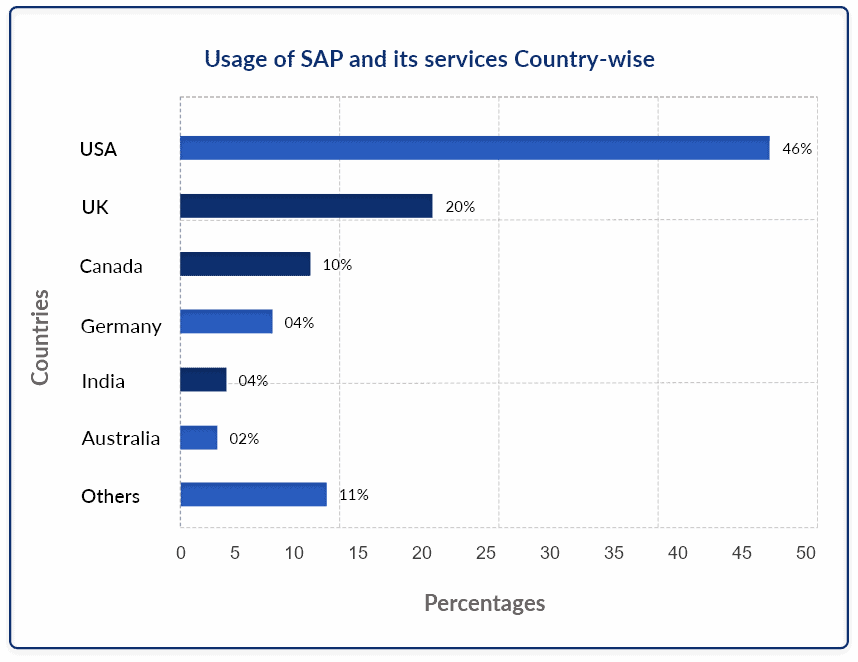
The USA is the biggest contributor to the global usage of SAP.
DataCaptive regularly updates the SAP users list every 45 days to maintain data accuracy and relevancy.
SAP is widely used in industries such as manufacturing, retail, automotive, oil & gas, healthcare, finance, and consumer goods due to its flexibility and robust process automation.
Yes, SAP offers tailored solutions like SAP Business One and SAP S/4HANA Cloud for SMBs looking for scalable ERP solutions.
You can access accurate and up-to-date SAP user contacts through credible B2B data providers like DataCaptive, which offers verified email lists of key decision-makers.
A quality list includes company name, industry, revenue, size, location, contact person’s name, job title, email, phone number, and sometimes tech stack information.
DataCaptive regularly updates the SAP users list every 45 days to maintain data accuracy and relevancy.
Yes, DataCaptive offers free data samples so you can assess the quality and relevance before making a purchase.
Get a Sample Email List
Enjoyed the read? Share the love on social media

Subscribe to Newsletter
Related Articles
Subscribe to Newsletter
Stay up to date with the latest marketing, sales, and service tips and news.