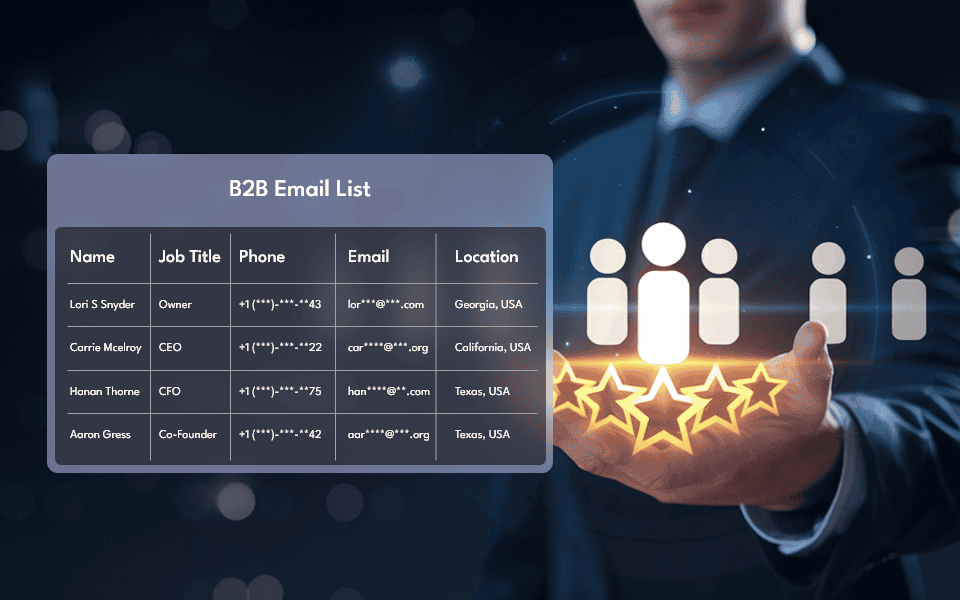
In the modern B2B ecosystem, generating qualified leads is not just about capturing attention—it is about targeting the right people with the right solutions at the right time. With the rise of AI-driven search engines, conversational platforms, and evolving content consumption patterns, businesses must rethink their approach to building a consistent pipeline of B2B qualified leads that fuel successful go-to-market (GTM) strategies.
Whether you are a startup entering a competitive niche or an established enterprise scaling your reach, this blog explores proven strategies, tools, and tactics to build B2B qualified leads that can fuel your sales pipeline and accelerate revenue growth.
What Are B2B Qualified Leads?
Before diving into lead generation strategies, it’s crucial to understand what makes a lead “qualified” in a B2B context.
A qualified lead is a potential buyer who not only fits your ideal customer profile (ICP) but also shows intent to engage with your solution. In B2B, this means targeting decision-makers and buyers within organizations who have interest, authority, need, and budget (often summarized as BANT). A qualified lead has already crossed the threshold from being just “traffic” to being a viable prospect for your sales pipeline.
Why Qualified Leads Are Critical for Your Go-to-Market Strategy?
A go-to-market (GTM) strategy is only as effective as the leads it targets. Focusing on B2B qualified leads ensures that your marketing and sales efforts are directed toward prospects who are most likely to convert, reducing wasted time and resources.
Here’s why prioritizing B2B qualified leads is essential:
- Higher Conversion Rates: Engaging ICP-aligned leads increases your chances of closing deals and makes conversations more productive.
- Optimized Marketing Spend: Focusing on qualified prospects reduces wasted spend and improves ROI.
- Shorter Sales Cycles: Qualified leads already recognize their problem and actively seek solutions, speeding up deal closure.
- Improved Retention: When leads are a good fit, they are more likely to become long-term customers.
- Better Data Insights: Working with qualified leads enables accurate measurement of GTM performance and continuous optimization.
Steps to Build a B2B Qualified Leads Pipeline
Building a steady stream of B2B qualified leads requires a structured approach that combines strategy, tools, and consistent execution. From defining your Ideal Customer Profile (ICP) to leveraging AI-driven automation, each step ensures your go-to-market efforts reach the right prospects, nurture them effectively, and convert them into loyal customers.
Step 1: Define Your Ideal Customer Profile (ICP)
The foundation of building B2B qualified leads is a well-defined ICP. Without it, your GTM strategy risks targeting the wrong audience.
Key elements to include in your ICP:
- Industry: Focus on sectors most likely to benefit from your solution.
- Company Size: Target businesses that can afford and need your product.
- Job Titles/Decision-Makers: Identify roles responsible for purchasing decisions.
- Geography: Narrow down by regions or countries relevant to your GTM strategy.
- Pain Points: Understand the challenges your product solves.
Example: A SaaS B2B company offering workflow automation may target mid-sized enterprises in the tech sector, focusing on operations managers and IT directors in North America.
Step 2: Leverage Data-Driven Lead Generation Tools
In modern B2B marketing, data-driven lead generation is essential for identifying and nurturing qualified leads. Accurate, verified data ensures your go-to-market strategy targets prospects who are genuinely interested and ready to engage.
2.1. Use B2B Email Lists and Databases
One of the most effective ways to generate qualified B2B leads is through verified email lists and databases. Platforms like DataCaptive provide comprehensive, 100% verified B2B contact information across industries, helping businesses connect directly with decision-makers.
Why choose DataCaptive for your GTM strategy:
- Verified and Opt-In Data: Every contact is checked for accuracy and compliance, ensuring higher engagement and reduced bounce rates.
- Industry-Specific Lists: DataCaptive offers segmented lists across various sectors, including healthcare, technology, manufacturing, finance, and more.
- Decision-Maker Focused: Reach executives, managers, and key decision-makers who have the authority to buy your products or services.
- Geographically Targeted Data: Access leads based on country, region, or city to align with your GTM strategy.
- Customizable Lists: Tailor lead lists based on company size, industry, job title, and other parameters to suit your business goals.
Tips for using DataCaptive email lists effectively:
- Segment Leads: Organize contacts by industry, company size, or role to personalize campaigns.
- Personalize Outreach: Craft messages addressing the specific pain points and needs of each lead segment.
- Test Campaigns: Use A/B testing to identify the most effective messaging, subject lines, and call-to-actions.
By leveraging a trusted B2B data provider like DataCaptive, businesses can focus on quality over quantity, ensuring their marketing and sales efforts reach the most relevant prospects. This approach not only improves conversion rates but also accelerates the growth of your pipeline for a successful go-to-market strategy.
Step 3: Content Marketing for B2B Lead Generation
High-quality content is a magnet for B2B qualified leads. Tailored content builds trust educates your audience, and drives prospects down the sales funnel.
Types of Content That Convert Leads
- Whitepapers & Ebooks: Offer in-depth insights and solutions for your audience’s challenges.
- Case Studies: Showcase real-world success stories and ROI metrics.
- Webinars & Workshops: Provide value while capturing lead information.
- Blogs & Articles: Optimize with SEO to attract organic traffic.
Step 4: Multi-Channel Lead Generation
Relying on one channel limits your GTM reach. Use multi-channel approaches to maximize qualified lead generation:
- LinkedIn Outreach: Ideal for B2B targeting decision-makers with personalized connection requests and InMail campaigns.
- Email Marketing: Leverage verified lists and nurture campaigns to move leads through the funnel.
- Paid Ads: Run LinkedIn, Google, or industry-specific platform ads targeting ICPs.
- SEO & Organic Traffic: Build a content strategy optimized for search engines to attract inbound leads.
- Events & Networking: Attend industry conferences or virtual events to collect leads directly.
Step 5: Lead Nurturing and Qualification
Even qualified leads need nurturing before they convert. Lead nurturing fosters trust and helps move prospects closer to a purchase decision.
Lead Nurturing Best Practices
- Personalized Communication: Tailor emails based on interests, role, and industry.
- Drip Campaigns: Automate sequences to educate and engage prospects gradually.
- Retargeting Ads: Remind leads about your solutions through paid campaigns.
- Regular Follow-ups: Ensure no lead falls through the cracks.
Lead qualification frameworks:
- BANT: Budget, Authority, Need, Timeline
- CHAMP: Challenges, Authority, Money, Prioritization
These frameworks ensure your GTM strategy focuses on leads most likely to convert.
Step 6: Measure and Optimize Your Lead Generation Strategy
Tracking metrics and optimizing campaigns is essential to maintaining a steady flow of qualified leads.
- Conversion rates from lead to opportunity
- Cost per lead (CPL)
- Lead engagement rates (email opens, clicks, downloads)
- Pipeline velocity (time to convert)
Step 7: Geographical Targeting for Maximum Impact
GEO targeting ensures your GTM strategy reaches leads in regions where your product or service is most relevant.
- Customize campaigns for local languages, regulations, and industry norms.
- Segment email lists and ads by region.
- Use local case studies to resonate with audiences in specific geographies.
For example, a B2B SaaS targeting North America may create campaigns highlighting compliance with US data privacy laws, whereas targeting Europe may emphasize GDPR compliance.
Step 8: AI and Automation for Scalable Lead Generation
Artificial Intelligence (AI) and automation streamline lead generation and improve lead quality.
- AI-Powered Lead Scoring: Predict which leads are more likely to convert based on engagement patterns.
- Chatbots & Conversational AI: Capture leads from website visitors in real-time.
- Predictive Analytics: Identify new potential accounts based on historical data.
AIO (AI Optimization) tip: Integrate AI tools with CRM and marketing automation platforms to continuously refine and improve lead quality.
Step 9: Best Practices for Building a Qualified B2B Leads List
- Regularly clean and update your database to remove outdated contacts.
- Segment leads based on engagement and demographics.
- Maintain compliance with GDPR, CAN-SPAM, and other regulations.
- Leverage social proof like testimonials and case studies to improve trust.
- Continuously analyze campaign performance and iterate.
Conclusion
Qualified B2B leads are the foundation of a winning go-to-market strategy. By defining your ICP, leveraging verified data from DataCaptive, and adopting multi-channel outreach, you can engage the right decision-makers, shorten sales cycles, and accelerate growth.
📈 Focus on quality, nurture leads effectively and let your GTM strategy deliver measurable results.
👉 Ready to accelerate B2B growth? Partner with DataCaptive for 100% verified, opt-in B2B leads. Visit www.datacaptive.com to transform your lead generation today!